




Appointments
Request Appointment/Request Exam - After completing the respective forms, these requests will be processed by our services, and you will receive confirmation by email. The indications about the Agreements (Insurance/Subsystem) are merely informative, please request confirmation in the "Observations" field.
Schedule Appointment/Exam myHPA - By accessing myHPA Saúde you can make the appointment in real time, directly on the Doctor's schedule according to his availability.
You can also contact us at +351 282 420 400 Algarve | +351 269 630 370 Alentejo | +351 291 003 300 Madeira
Phone booking/service hours:
Monday to Friday: 8:00 AM to 7:00 PM, Saturday: 8:00 AM to 5:00 PM Sunday and Holidays: Closed
(National landline)
Your request has been successfully received. We will confirm your appointment shortly.
Download myHPA Saúde:


Hepatitis
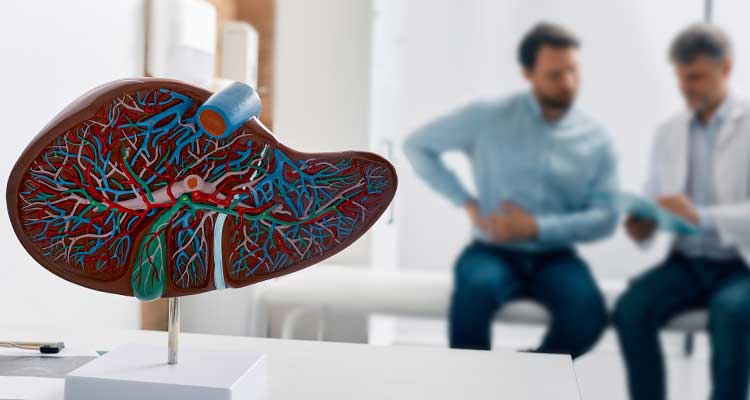
Hepatitis is the inflammation of liver cells, an organ essential for digestion, metabolism and detoxification of the body. It can have several causes, including viruses (A, B, C, D and E), immune system disorders (autoimmune hepatitis), alcohol or drug consumption (toxic hepatitis), and fat accumulation in the liver (steatohepatitis).
- Acute hepatitis: symptoms lasting less than 6 months.
- Chronic hepatitis: persistent inflammation lasting more than 6 months.
Hepatitis may be viral, caused by hepatitis viruses A, B, C, D or E, or non-viral, caused by toxins, immune disorders or excess fat in the liver. Viral hepatitis is contagious, whereas autoimmune and toxic hepatitis are not transmissible between people.
Viral hepatitis
- Hepatitis A: transmitted via the faecal–oral route; usually self-limiting and associated with flu-like symptoms in adults; vaccine available.
- Hepatitis B: transmitted through bodily fluids; may be acute or chronic, with a risk of cirrhosis and cancer; vaccine available and antiviral treatment indicated in chronic cases.
- Hepatitis C: mainly transmitted through contaminated blood; often asymptomatic and may progress to chronic hepatitis. Effective treatment is available, although there is still no vaccine.
- Hepatitis D: depends on the presence of hepatitis B. It is sexually transmitted, and vaccination against hepatitis B also protects against hepatitis D.
- Hepatitis E: transmitted via the faecal–oral route; usually acute and may be severe in immunocompromised individuals.
Non-viral hepatitis
- Autoimmune hepatitis: the immune system attacks liver cells. It is more common in women and is often asymptomatic. Diagnosis is made through specific blood tests and liver biopsy, and treatment includes corticosteroids and, when necessary, immunosuppressive therapy.
- Toxic hepatitis: occurs when the liver is damaged by alcohol, drugs, medications or other toxins. Prevention is based on avoiding the causative agent. If uncontrolled, it may progress to cirrhosis and, in severe cases, require liver transplantation.
- Non-alcoholic steatohepatitis (NASH): associated with obesity, diabetes and metabolic syndrome. Treatment is mainly based on weight loss and regular physical exercise, although new medications are being developed to improve disease management.
Symptoms of hepatitis may include fatigue, nausea and vomiting, loss of appetite, jaundice (yellowing of the skin and eyes), and, in some cases, fever. Patients may also experience abdominal or back pain on the right side, dark urine, pale stools and itching. However, some forms of hepatitis may remain asymptomatic for long periods, even in the presence of liver inflammation.
Diagnosis is based on clinical history, patient habits and complementary tests. Elevated liver enzymes (AST and ALT) indicate cellular damage. Specific tests detect viruses or antibodies in cases of autoimmune hepatitis. Abdominal ultrasound is used for initial assessment, while CT or MRI is performed if structural lesions are suspected. Liver biopsy is mandatory only in autoimmune hepatitis and may be useful in toxic hepatitis or NASH.
Prevention
- Vaccination against hepatitis A and B;
- Avoidance of alcohol and drugs;
- Care with food and potentially contaminated products;
- Maintaining a healthy weight and regular physical activity;
- Use of condoms and prevention of sexual transmission;
- Not sharing needles, razors or personal items that may contain blood;
- Following medical prescriptions and avoiding self-medication;
- Medical counselling before pregnancy for individuals with hepatitis.
- Dra. Ana Margarida Vieira
- Dr. André Sancho Ramos
- Dr. Bruno Peixe
- Dra. Helena Tavares de Sousa
- Dra. Maria Margarida Sampaio
- Dra. Patrícia Queirós
- Dra. Ana Rita Herculano
- Dr. André Sancho Ramos
- Dr. Diamantino Sousa
- Dr. Francisco Açucena
- Dr. Horácio Guerreiro
- Dr. Mário César
- Dr. Horácio Guerreiro
CUF Alvor Hospital
CUF Faro Hospital
Hospital São Camilo - Portimão
CUF S. Brás de Alportel Clinic
| Find all the information regarding Specialities and Consultations at CUF Healthcare Units in Greater Lisbon, the North, Centre, and the Azores here. |